19 Nov 2026
How Loyalty Structures Reward Crossovers Between Live Sports Tracking and Casino Play Sessions
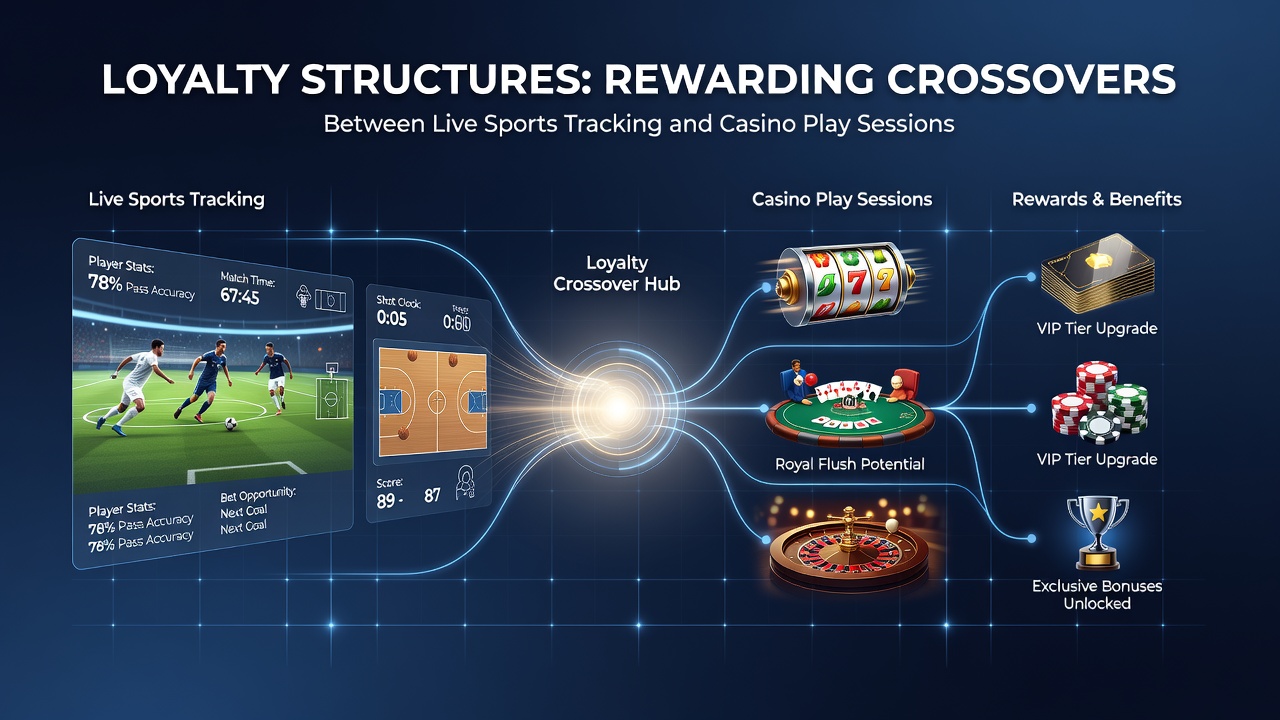
Loyalty structures in combined sports and casino environments operate through unified point systems that track activity across live event monitoring and gaming sessions at the same time, allowing participants to accumulate rewards without switching between separate accounts or platforms. Data from industry reports shows these systems record bets placed on live sports alongside time spent on slot machines or table games, then convert both into a single currency of points or tier credits that unlock benefits like bonus rounds or event access. Observers note that the crossover mechanics rely on real-time data feeds from league schedules and floor traffic patterns, which operators use to adjust reward multipliers during peak viewing hours or high-traffic casino periods.
Mechanics of Point Accumulation Across Activities
Participants earn base points from sports wagers tied to live tracking features such as in-game statistics and player performance updates, while casino play sessions generate additional points based on wager volume and session duration, with the total balance feeding into one loyalty ledger. Research indicates many operators apply tiered multipliers when users complete actions in both categories within a defined window, for instance linking a live basketball bet to subsequent spins on linked slot titles. Figures from the American Gaming Association reveal that integrated programs often see higher overall engagement because the combined tracking reduces the friction of managing separate rewards streams, and users who move between sports monitoring and casino floors receive accelerated progress toward higher status levels that grant exclusive offers.
Systems frequently incorporate event-based bonuses where a successful live sports outcome triggers casino play credits automatically deposited into the same account, creating a direct reward pathway that keeps activity flowing between the two domains. Those who study player behavior patterns report that these automated transfers happen through backend APIs connecting betting interfaces with gaming management software, ensuring points reflect activity from both live tracking and physical or online casino sessions without manual intervention.
Regional Implementation Patterns and Data Trends
Programs in North American markets commonly tie loyalty cards to mobile apps that monitor both sports schedules and casino floor promotions, allowing users to scan QR codes at gaming terminals or during live events to log activity in one profile. Canadian regulatory data from the Ontario Lottery and Gaming Corporation shows crossover participation rising steadily as operators expand these unified structures, with average point redemption rates increasing when sports and casino activities count toward shared goals like free play or merchandise. In Australian venues, similar frameworks link race and sports betting terminals with electronic gaming machines, using the same player card to record sessions across both and issue rewards scaled to total engagement volume.
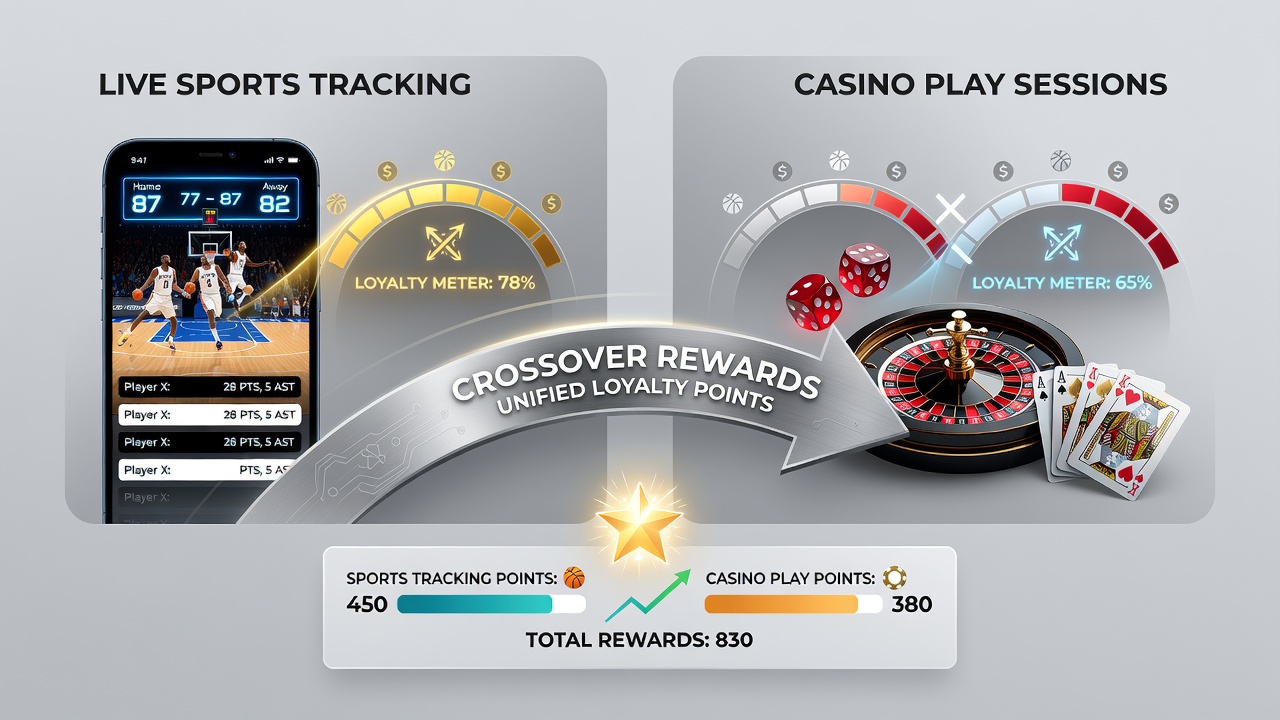
Operators adjust reward structures seasonally to align with major league calendars, offering boosted point rates during championship periods that carry over into casino promotions scheduled for the same weeks. This synchronization appears in operational reports where facilities record spikes in cross-activity when live sports tracking coincides with gaming floor peaks, and the loyalty system automatically credits users who participate in both within a single visit or online session.
Projected Developments Through Late 2026
Industry projections point to expanded integration ahead of November 2026, when several facilities plan to launch enhanced loyalty modules that incorporate predictive analytics for live sports outcomes alongside casino session data to personalize reward offers in real time. These updates build on existing frameworks by adding features such as dynamic point multipliers triggered by combined betting and gaming thresholds, with early testing data suggesting improved retention across demographic groups. Observers tracking regulatory filings note that operators in multiple jurisdictions are preparing system upgrades to handle increased data volume from simultaneous sports tracking and casino play without latency issues that could disrupt reward delivery.
Training programs for staff at merged venues now emphasize recognizing when users qualify for crossover bonuses, ensuring seamless transitions between sports viewing zones and gaming areas while the loyalty platform updates balances instantly. Data collected through these channels helps refine future structures, with operators analyzing patterns from thousands of sessions to determine which reward combinations drive the most sustained activity across both live sports and casino environments.
Conclusion
Loyalty structures continue to evolve by linking live sports tracking directly with casino play sessions through shared point systems and automated reward pathways that reflect total user activity. Regional data and operational reports document steady adoption of these models, with further refinements scheduled through 2026 that aim to deepen integration while maintaining compliance with local gaming regulations. The result is a framework where participation in one area consistently feeds benefits in the other, supported by backend technology that records and converts activity across both domains.