5 Nov 2026
Inside the Operational Strategies of Facilities Merging Live Sports Viewing with Gaming Options
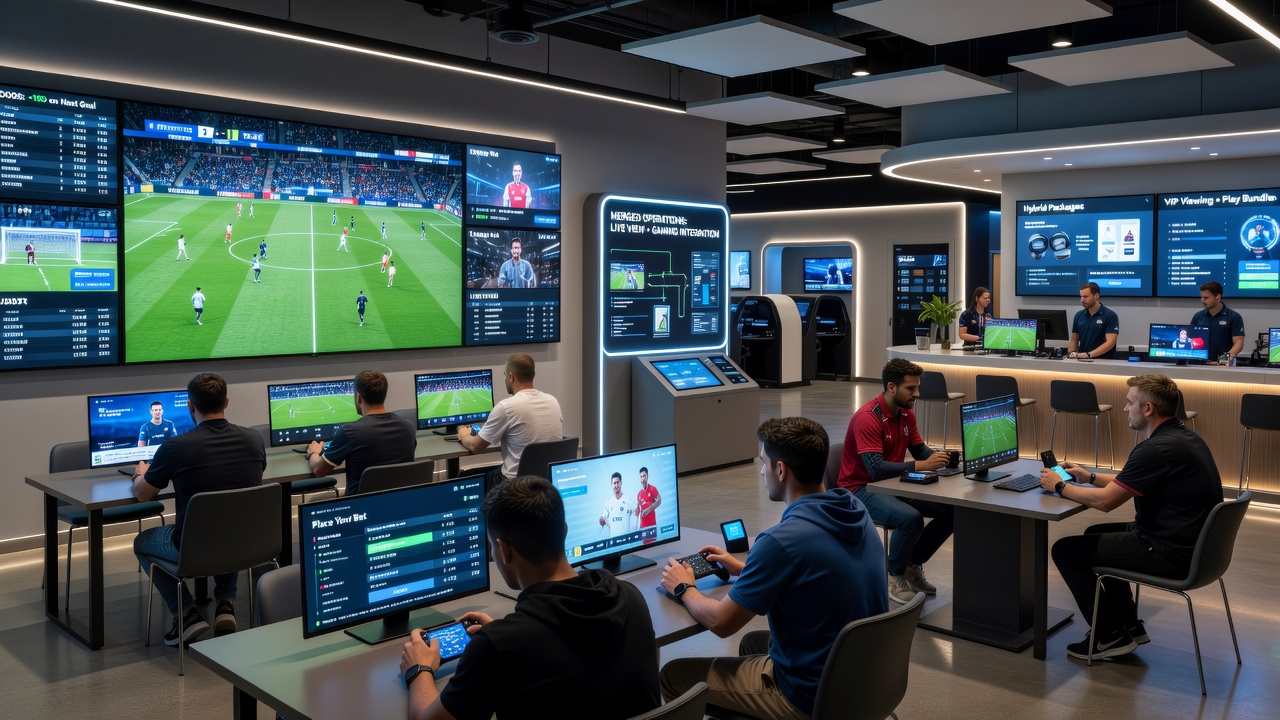
Facilities that combine live sports viewing with gaming options rely on coordinated operational strategies to handle simultaneous demands from spectators and participants, and these approaches address everything from spatial design to real-time monitoring systems. Observers note that successful operations depend on aligning physical layouts with technology platforms so that betting terminals sit within clear sightlines of large screens while maintaining separate zones for high-volume gaming activities.
Design teams typically start by mapping traffic patterns during peak events, which helps prevent congestion when crowds shift between viewing areas and gaming floors, and data from similar venues shows that staggered entry points reduce wait times by up to 25 percent during major league matchups. Staff schedules adjust in advance based on event calendars, with additional personnel assigned to floor supervision and customer support roles that require quick responses to both sports outcomes and gaming inquiries.
Technology Integration and Real-Time Management
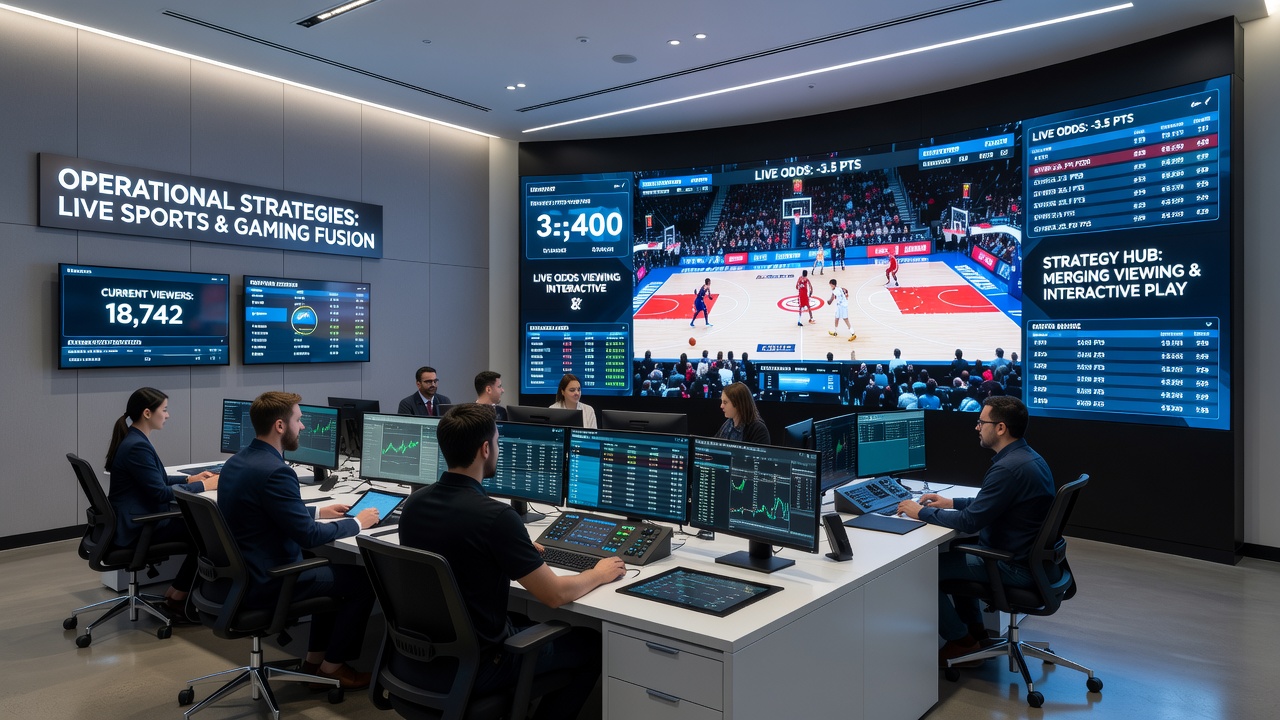
Integrated software systems connect odds displays directly to live feeds, allowing updates to appear without manual intervention, while security teams monitor these platforms alongside surveillance feeds to maintain compliance across both entertainment and wagering functions. Research from industry reports indicates that venues using centralized dashboards achieve faster resolution for technical issues, since operators can track betting volume spikes that coincide with key game moments and adjust staffing accordingly.
Network reliability becomes critical during live events, and facilities often maintain redundant connections plus backup generators to avoid disruptions when viewership peaks, which commonly occurs during playoffs or championship games. Those managing daily operations also coordinate with content providers to ensure broadcast rights align with local regulations, preventing any overlap that could affect licensing status.
Staffing Models and Training Protocols
Cross-trained employees handle multiple responsibilities, moving between customer service at betting counters and oversight of viewing lounges, and training programs emphasize both gaming regulations and sports knowledge so staff can answer questions accurately without leaving their stations. Facilities schedule overlapping shifts during high-attendance periods, such as weekend doubleheaders, to maintain coverage across all sections while keeping labor costs within projected budgets.
Supervisors conduct briefings before each major event to review expected attendance figures and potential flashpoints, like controversial calls that might increase dispute volume, and this preparation helps teams respond consistently. Data from operational reviews reveals that venues with structured handover protocols between shifts experience fewer errors in transaction logging and customer account management.
Event Scheduling and Regulatory Alignment
Operators align gaming floor peaks with league schedules by analyzing historical attendance data, which allows them to forecast demand and secure necessary approvals from oversight bodies well in advance. In regions like Nevada and Victoria, Australia, facilities submit detailed plans that demonstrate how they will separate sports viewing from gaming transactions to meet distinct regulatory requirements.
Preparations for expansions scheduled around November 2026 include upgrades to digital signage and additional terminal installations that will support larger simultaneous audiences during international tournaments. Compliance officers review these modifications against current statutes to confirm that all new features maintain required separation between entertainment zones and wagering areas.
Customer Flow and Experience Coordination
Wayfinding systems guide visitors through the combined space without creating bottlenecks, and digital apps provided by the facilities let users check table availability or screen schedules in advance. Feedback collection happens through quick digital surveys at exit points, which feed into ongoing adjustments for layout and service timing.
Venues also partner with transportation services to manage arrivals and departures efficiently during sold-out events, reducing external congestion that could otherwise spill into internal operations. According to statistics compiled by the American Gaming Association, integrated facilities that implement these layered coordination methods report steadier daily revenue streams compared with single-focus locations.
Conclusion
Operational strategies in these merged facilities continue to evolve as new technologies and regulatory updates emerge, with emphasis placed on flexible systems that can scale during major sporting calendars. Facilities that maintain detailed records of past events use those insights to refine staffing ratios and technology uptime targets, ensuring consistent service across viewing and gaming components. Data from multiple jurisdictions shows that proactive planning around event cycles supports both compliance and operational efficiency without requiring constant structural changes.