22 Oct 2026
Tracing Archival Evidence on the Rise of Unified Leisure and Wagering Destinations
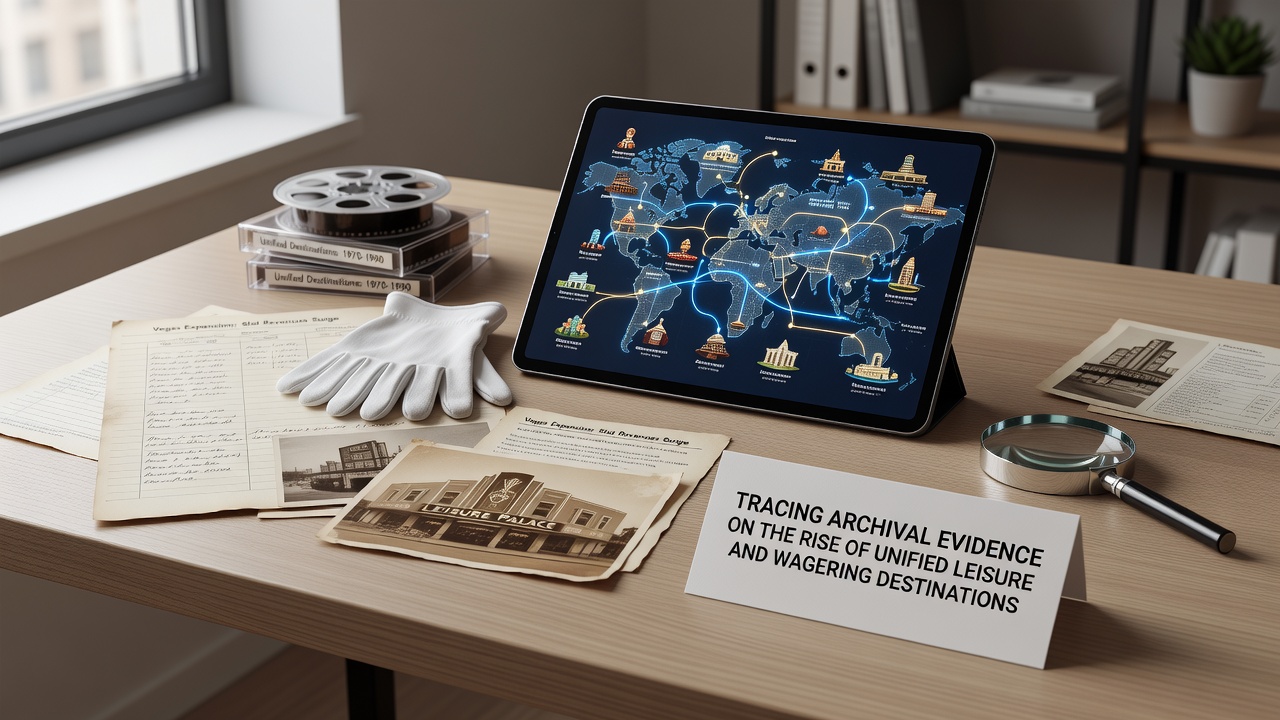
Archival collections from state libraries and gaming commissions preserve the gradual shift toward destinations that combined lodging, entertainment venues, and wagering floors under single management structures, with records dating back to the mid-20th century in several jurisdictions.
Early Documentary Traces in Public Records
Researchers examining municipal permits and corporate filings from Nevada in the 1940s and 1950s locate the first consistent patterns of hotels that incorporated dedicated casino spaces alongside restaurants and showrooms, where property tax assessments and liquor license applications reveal coordinated planning rather than separate operations. These documents, held in county archives and university special collections, show how operators secured multiple approvals through single entities, a practice that reduced administrative overhead while expanding visitor capacity.
Similar patterns appear in Atlantic City records from the late 1970s after legalization, where planning commission minutes document the conversion of aging boardwalk hotels into facilities offering both gaming and non-gaming amenities, with engineering reports and zoning variances preserved in state historical societies.
Expansion Through Regulatory Archives
Government reports from the Nevada Gaming Control Board and parallel bodies in New Jersey track the growth in square footage allocated to integrated functions, with annual filings from the 1980s onward listing hotel room counts alongside table game inventories and entertainment schedules. Data compiled in these filings indicate that properties reporting unified operations experienced steadier revenue streams across seasonal cycles compared to standalone venues, according to aggregated statistics released by state agencies.
Archival evidence from Australia and Singapore further illustrates parallel developments, where parliamentary papers and tourism ministry submissions from the 1990s detail the approval of casino complexes that included convention centers and retail promenades, with environmental impact statements and infrastructure contracts demonstrating coordinated investment across leisure and wagering components.
Corporate and Media Documentation
Business correspondence and annual reports stored in corporate archives reveal how ownership groups acquired adjacent land parcels to expand from casino-focused sites into full leisure complexes, while contemporary newspaper clippings and trade publication articles chronicle the marketing strategies that promoted these sites as year-round destinations. Observers note that such materials, often cross-referenced with chamber of commerce records, provide timelines for when specific amenities such as golf courses or performance arenas were added to existing wagering operations.

One collection at a major university library contains internal memos from the 1990s detailing negotiations between gaming operators and local governments over shared infrastructure costs, showing how these agreements facilitated larger-scale projects that bundled multiple revenue sources.
Recent Archival Releases and 2026 Developments
Updated accessions at several state archives include digital scans of licensing applications submitted in the early 2000s, which detail the integration of sports wagering areas with hotel expansions and live entertainment schedules. These files, now accessible through public portals, align with industry association data showing increased capital expenditure on multi-use facilities across North America and parts of Asia. Records indicate that several projects referenced in these documents reached key construction milestones scheduled for October 2026, including phased openings that coordinate new hotel towers with expanded gaming floors and adjacent leisure amenities.
Trade group summaries from the American Gaming Association and reports issued by the National Council of Legislators from Gaming States compile these timelines alongside employment figures and tax contributions, providing quantitative context for the archival materials. Researchers cross-checking these sources against municipal building permits find consistent evidence of unified site planning rather than piecemeal additions.
Conclusion
Archival materials from regulatory agencies, corporate files, and academic repositories collectively document the incremental consolidation of leisure and wagering functions into single destinations, with primary documents offering verifiable timelines and operational details across multiple regions and decades. Continued digitization of these collections supports ongoing analysis of how such unified models evolved in response to changing regulations and market conditions.